L-Arginine vs L-Citrulline for Men: Which Helps Blood Flow?
| L-arginine | An amino acid the body uses directly to make nitric oxide, which helps blood vessels relax. |
| L-citrulline | An amino acid that converts into L-arginine in the kidneys, often raising arginine levels more steadily. |
| The difference | Arginine acts more directly; citrulline is the slower, longer-lasting route to the same pathway. |
| Better together? | Frequently yes — the two are complementary, which is why some formulas use both. |
Two amino acids, one pathway
If you have spent any time researching men’s circulation and blood-flow support, you have almost certainly run into two names that sound like siblings: L-arginine and L-citrulline. They are often presented as rivals, as though you must crown one the winner. In truth they are two doors into the same room. Both are amino acids, both feed the body’s nitric-oxide system, and both are commonly reached for when the goal is supporting healthy circulation. The interesting part — and the reason this comparison is worth doing properly — is that they get there by different routes.
Before we split hairs, one honest framing: amino acids like these are everyday nutritional support, not treatments, and they work best as one layer on top of the fundamentals. No amino acid replaces sleep, movement, sensible food and stress management. If those basics are shaky, start with our guide to supporting male vitality and stamina naturally first, then think about which amino acid — or blend — fits on top.
What nitric oxide has to do with it
Both amino acids matter because of a small but important molecule called nitric oxide, usually written as NO. Nitric oxide is one of the body’s signals that tells the smooth muscle lining your blood vessels to relax and widen. When vessels relax, blood moves more freely — and healthy circulation is the quiet foundation behind a lot of what men associate with vitality, from workout stamina to overall energy. Your body makes nitric oxide continuously, and the raw material it uses to do so is L-arginine.
That single fact explains why both amino acids get so much attention. L-arginine is the direct building block. L-citrulline is a step upstream: your body converts citrulline into arginine, effectively topping up the arginine tank. So when people ask which is “better for blood flow,” they are really asking which is the more efficient way to keep that nitric-oxide pathway well supplied.
L-arginine: the direct building block
L-arginine is the direct substrate the body converts into nitric oxide, which is why it has been trialled for blood-flow outcomes for three decades. A systematic review and meta-analysis in the Journal of Sexual Medicine found a modest benefit, and a multicentre randomised trial of long-term high-dose L-arginine in men with vasculogenic erectile dysfunction reported improvements over placebo. Both used doses measured in grams per day — far beyond what any gummy or blended formula delivers.
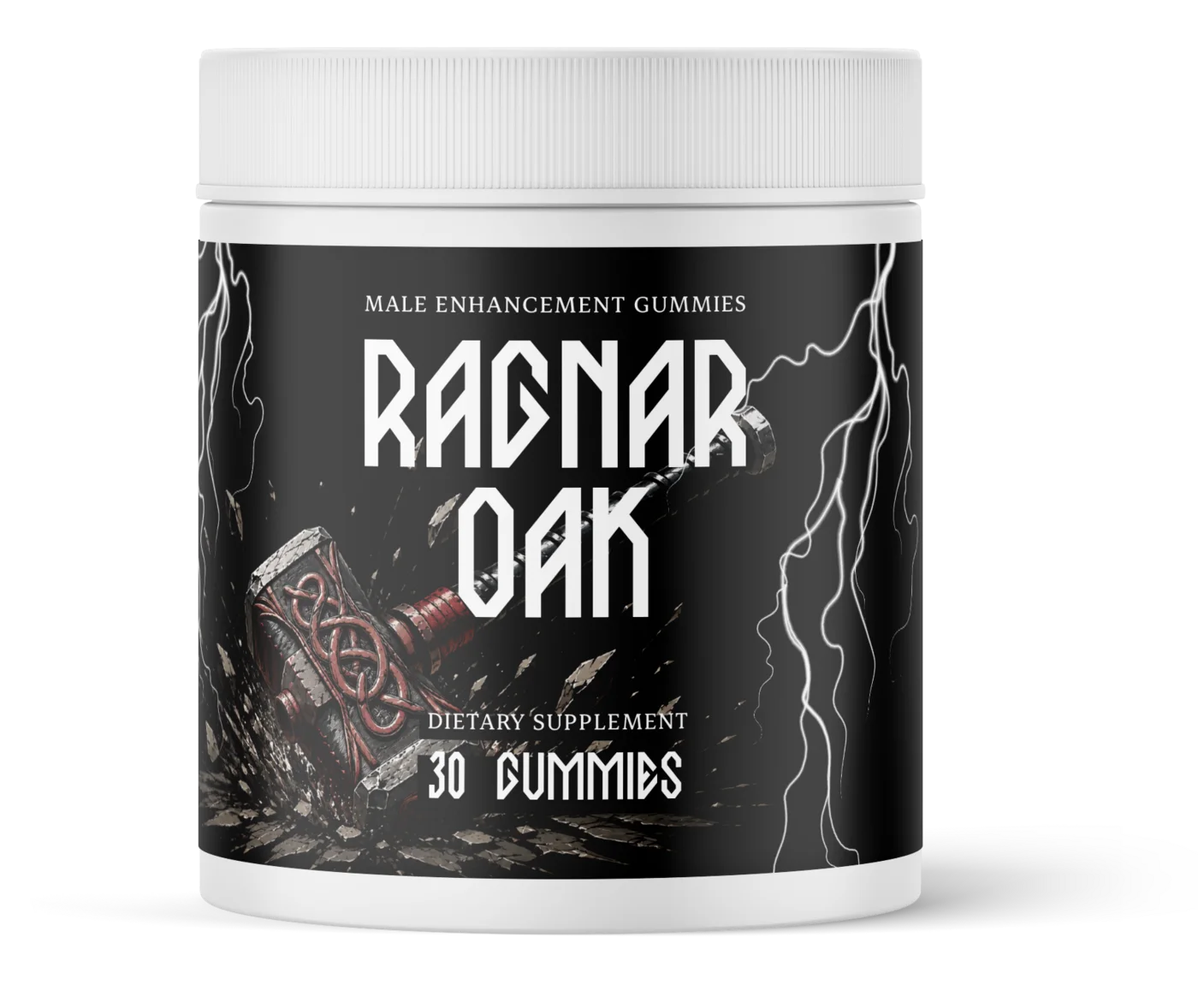
L-arginine is the amino acid your body uses right away to make nitric oxide, which is exactly why it became the classic choice for circulation support and why it appears in so many men’s formulas — including Ragnaroak. Its appeal is simplicity: you are supplying the exact raw material the nitric-oxide pathway needs, no conversion required.
The one wrinkle worth knowing is that a meaningful share of oral arginine is broken down in the gut and liver before it reaches wider circulation — a process sometimes called first-pass metabolism. That does not make arginine ineffective; it is still one of the most studied and widely used amino acids in this category. It simply means arginine is often taken as part of a blend or at a sensible daily amount, rather than assumed to arrive intact in enormous quantities from a single serving.
L-citrulline: the steady, slow-release cousin
L-citrulline’s advantage is pharmacokinetic rather than nutritional: much of an oral arginine dose is broken down before it reaches the bloodstream, whereas citrulline is converted to arginine in the kidneys and raises plasma arginine more efficiently. A critical review of citrulline malate and exercise performance and a Nutrients review of nitric-oxide precursors for strength performance both cover this route, again at gram-scale doses.
L-citrulline takes the scenic route. Rather than being used directly, it travels to the kidneys where it is converted into L-arginine. Counter-intuitively, this indirect path is why many people find citrulline an efficient way to raise arginine levels: because it sidesteps much of that first-pass breakdown, citrulline can keep arginine availability elevated in a steadier, longer-lasting way. Citrulline occurs naturally in watermelon, which is where a lot of the popular interest in it started.
The trade-off is time and directness. Citrulline is the slower burn — less of an immediate hit, more of a sustained top-up. For men who prefer a gradual, background kind of support, that profile is appealing. For men who like the idea of supplying the exact end-material directly, arginine remains the more straightforward pick. Neither is “wrong”; they are simply tuned differently.
L-arginine vs L-citrulline: the honest comparison
Here is the practical breakdown, goal by goal:
- ✓ Directness: arginine is the raw material itself; citrulline has to be converted first.
- ✓ Staying power: citrulline tends to raise arginine levels more steadily and for longer, sidestepping some gut breakdown.
- ✓ Simplicity: arginine is the older, more familiar, more widely formulated of the two in men’s products.
- ✓ Food source: citrulline has a friendly natural story (watermelon), which many people like.
- ✓ Speed of effect: both are best judged over weeks of consistent use, not a single serving.
Notice there is no clean knockout. The “better” amino acid depends on what you value: the directness of arginine or the steadier availability of citrulline. That is why framing it as a strict either/or can miss the point for many men.
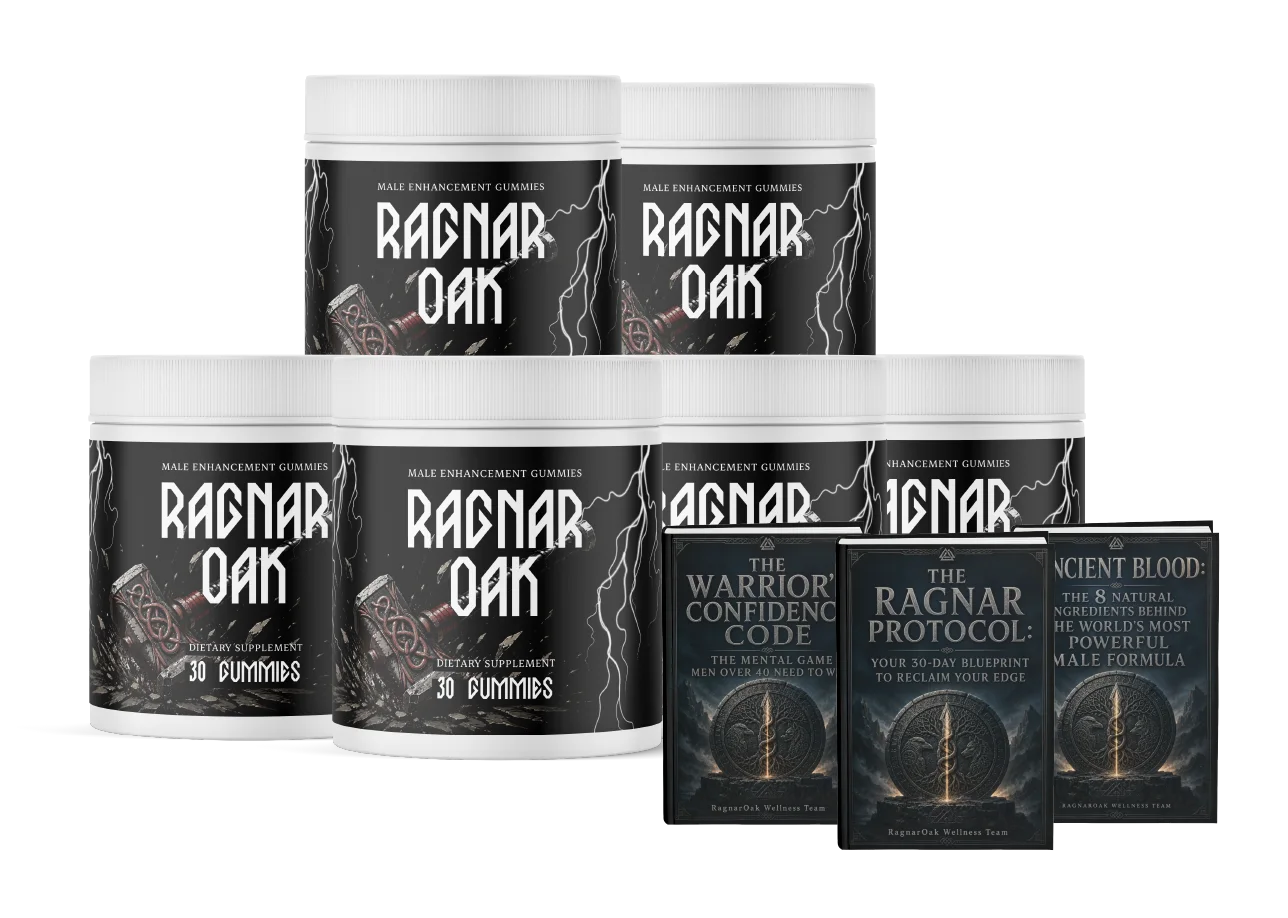
L-arginine, plus six more men’s botanicals
Ragnaroak pairs L-arginine with maca, ashwagandha, muira puama, catuaba, horny goat weed and tribulus in one once-daily gummy — backed by a 60-day money-back guarantee. The six-jar pack keeps your routine running long enough for a proper trial.
See Ragnaroak PackagesCan you take L-arginine and L-citrulline together?
Yes — and pairing them is one of the more popular strategies precisely because their strengths line up rather than overlap. The idea is that citrulline keeps the arginine tank topped up in the background while arginine supplies the pathway directly. Some blends use this one-two combination deliberately. Others, like Ragnaroak, build around L-arginine alongside traditionally used botanicals rather than stacking both amino acids, which is a perfectly reasonable design choice too.
The usual caution applies, and it matters more here than with most ingredients: because both amino acids act on the same blood-flow pathway, they deserve care if you take blood-pressure medication, use nitrate drugs, or have a heart condition. In those cases, talk to a qualified health professional before starting. Traditional and general use is information, not a personalized recommendation.
How to choose for your situation
Rather than declaring a universal champion, match the amino acid to your priorities. If you want the most direct, well-established building block and like the simplicity of a proven ingredient in a broader men’s formula, L-arginine is the natural pick — and it is the one you will find in Ragnaroak. If you are specifically after a steady, long-tail way to keep arginine levels elevated and do not mind the slower onset, a citrulline-forward product may suit you. And if your honest answer is “I want blood-flow support as part of an all-round vitality routine,” then a thoughtfully built blend matters more than any single amino acid in isolation.
When you compare products, apply the same filters from our buyer’s guide to choosing a male vitality supplement: a transparent label that discloses amounts, sensible doses, GMP manufacturing and a real money-back guarantee. An amino acid is only as good as the formula and the label it lives inside.
Common myths, cleared up
Because both amino acids are so popular, a lot of half-truths follow them around. A few worth correcting:
- ✓ “More arginine always means more effect.” Not so — a chunk of oral arginine is broken down before it reaches wider circulation, which is exactly why sensible dosing and good formulation beat brute quantity.
- ✓ “Citrulline is just weaker arginine.” It is not weaker, it is different: because it dodges some of that early breakdown, citrulline can keep arginine levels up in a steadier way.
- ✓ “You will feel it the first day.” These are cumulative nutritional supports, best judged over weeks, not hours.
- ✓ “They replace healthy habits.” No amino acid outperforms decent sleep, regular movement and a sensible diet — they sit on top of those foundations.
Clearing away these myths is half the battle. Approach either amino acid with realistic expectations — gentle, cumulative support for a healthy circulatory pathway rather than a switch you flip — and you are far more likely to give it the consistent trial it actually needs.
A note on quality and dose
The practical conclusion is a dose conclusion. If nitric-oxide support is your specific goal, the trial literature points to standalone gram-scale amino acid dosing, not to a shared proprietary blend. A blend is a broader, gentler proposition — which is a legitimate thing to want, provided nobody pretends it matches the trials. Our horny goat weed vs tribulus comparison applies the same reasoning to the botanical side, and our honest look at whether male enhancement gummies really work sets realistic expectations for the whole category.
Two products can both print “L-arginine” on the front and deliver very different amounts inside. Once you have decided which amino acid (or both) you want, the next question is a quality question: is the amount per serving disclosed clearly, and is it made to a sensible standard? A transparent label lets you see exactly what you are getting rather than trusting a headline. This is the same discipline we apply to every ingredient, and it is worth carrying into any purchase you make in this category.
One gummy, seven ingredients, once a day
L-arginine plus six traditionally used men’s botanicals in a single once-daily gummy, protected by a 60-day money-back guarantee.
Order Ragnaroak TodayFrequently asked questions
What is the difference between L-arginine and L-citrulline?
Both are amino acids the body uses to make nitric oxide, which helps blood vessels relax and supports healthy circulation. L-arginine is used directly, while L-citrulline is converted into L-arginine in the kidneys, so citrulline is often described as a slower, steadier way to raise arginine levels.
Which is better for blood flow, L-arginine or L-citrulline?
Both are traditionally reached for to support healthy blood flow through the nitric-oxide pathway. L-arginine acts more directly, while L-citrulline tends to sustain arginine availability more gradually. Many formulas include arginine, and some pair the two; the better choice depends on the product and your goals rather than one always beating the other.
Can you take L-arginine and L-citrulline together?
Yes, combining them is common because their strengths are complementary rather than identical. If you take medication for blood pressure, use nitrate drugs, or have a health condition, speak with a qualified health professional first, since both act on the same circulatory pathway.
Is L-arginine or L-citrulline in Ragnaroak?
Ragnaroak includes L-arginine alongside six traditionally used men’s botanicals such as maca, ashwagandha and horny goat weed in a single once-daily gummy. It is a blend rather than a single-ingredient amino acid product.
How long do L-arginine and L-citrulline take to work?
These amino acids are best judged over consistent daily use rather than a single dose. Give any blend that contains them several weeks alongside steady sleep, movement and diet, rather than expecting a same-day effect.
References
Every source below was resolved against its own PubMed record on 3 September 2026 to confirm it is the paper this article credits it to. Research on an ingredient is not evidence about any finished product, and no clinical trial has been published on the Ragnaroak formula itself.
- ✓ The Potential Role of Arginine Supplements on Erectile Dysfunction: A Systemic Review and Meta-Analysis — J Sex Med, 2019. PubMed PMID 30770070.
- ✓ Long-term high-dose L-arginine supplementation in patients with vasculogenic erectile dysfunction: a multicentre, double-blind, randomized, placebo-controlled clinical trial — J Endocrinol Invest, 2022. PubMed PMID 34973154.
- ✓ A critical review of citrulline malate supplementation and exercise performance — Eur J Appl Physiol, 2021. PubMed PMID 34417881.
- ✓ Supplementation with Nitric Oxide Precursors for Strength Performance: A Review of the Current Literature — Nutrients, 2023. PubMed PMID 36771366.
† These statements have not been evaluated by the Food and Drug Administration. This product is not intended to diagnose, treat, cure or prevent any disease. This article is for general information only, describes the traditional or general use of ingredients, and is not medical advice. Individual results vary. Always consult a qualified health professional before starting a new supplement.