Maca vs Ashwagandha for Men: Which Is Better for Energy?
| Maca | A Peruvian root traditionally used for everyday energy, endurance and drive. |
| Ashwagandha | An adaptogenic root traditionally used to help the body handle stress and stay resilient. |
| The difference | Maca leans toward energy and vitality; ashwagandha leans toward calm and stress balance. |
| Better together? | Often yes — their strengths are complementary, which is why many men’s blends include both. |
Two famous roots, two different jobs
Maca and ashwagandha are two of the most searched-for names in men’s natural health, and they are often pitted against each other as if you must pick a winner. In reality they are more like teammates who play different positions. Both are roots with long traditional histories, both are the subject of ongoing research, and both show up in modern men’s vitality blends — but they are traditionally reached for to do different things. Understanding that difference is the key to choosing well, and it is why so many formulas simply include both.
Before we compare them, one framing worth repeating: these are gradual botanicals, best understood as everyday support rather than treatments. Neither is a quick fix, and neither replaces the foundations of supporting male vitality and stamina naturally — sleep, movement, food and stress management. Think of maca and ashwagandha as the layer you add on top of good habits, not a substitute for them.
Maca: the energy and endurance root
Maca has the more direct research record for the outcomes men actually ask about. A systematic review in BMC Complementary and Alternative Medicine concluded there was suggestive evidence for improved sexual desire, an Andrologia trial in healthy men reported a rise in desire that was unrelated to serum testosterone, and a randomised double-blind trial found subjective improvement in men with mild erectile dysfunction. The trials are small, but they exist and they point the same way.
Maca (Lepidium meyenii) is a hardy root vegetable grown high in the Peruvian Andes, where it has been prized for generations. In traditional use it is associated with everyday energy, physical endurance and male drive, and it is often described as an all-round vitality tonic. Men typically reach for maca when the goal is a general daily lift — steadier stamina through a long day and support for an active lifestyle.
Unlike caffeine, maca is not a stimulant, so it does not give a jittery spike followed by a crash. Its reputation is built on consistent daily use over weeks, which is exactly how traditional tonic herbs are meant to be taken. If your main question is “how do I feel more energetic and vital day to day,” maca is the root most closely tied to that goal.

Ashwagandha: the stress-resilience adaptogen
Ashwagandha’s evidence sits mostly in the stress lane. A 2022 meta-analysis in Phytotherapy Research found a beneficial effect on anxiety and stress measures, and a crossover trial in the American Journal of Men’s Health reported changes in vitality-related outcomes in ageing, overweight men. That is a different target from maca’s, which is precisely why the two are usually formulated together rather than against each other.
Ashwagandha (Withania somnifera) is a small shrub whose root is a cornerstone of traditional Ayurvedic practice. It is classed as an adaptogen — a category of herbs traditionally used to help the body adapt to and cope with everyday stress. Where maca is about pushing energy up, ashwagandha is more about bringing tension down and helping you stay steady under pressure.
That distinction matters for men, because a great deal of everyday fatigue is not a lack of raw energy but the constant tax of stress and poor sleep. Ashwagandha’s traditional role — and the focus of much of its modern research interest — is helping the body feel more resilient and balanced. If your energy dips because you feel wired, stretched thin, or you sleep poorly when stressed, ashwagandha is the more targeted of the two.
Maca vs ashwagandha: the honest comparison
Here is the practical breakdown, goal by goal:
- ✓ For everyday energy & stamina: maca is the more traditionally associated choice.
- ✓ For stress & feeling frazzled: ashwagandha is the classic adaptogen.
- ✓ For male drive & vitality: both feature in traditional men’s tonics, with maca the more energy-forward and ashwagandha the more calming.
- ✓ For sleep quality: ashwagandha, via its calming, stress-balancing reputation, is the one traditionally linked here.
- ✓ Speed of effect: both are gradual — judge them over weeks, not days.
Notice there is no clean knockout. The “better” root depends entirely on what you are trying to support. That is why framing it as maca versus ashwagandha can be the wrong question for many men.
Why choose? Get both, plus five more
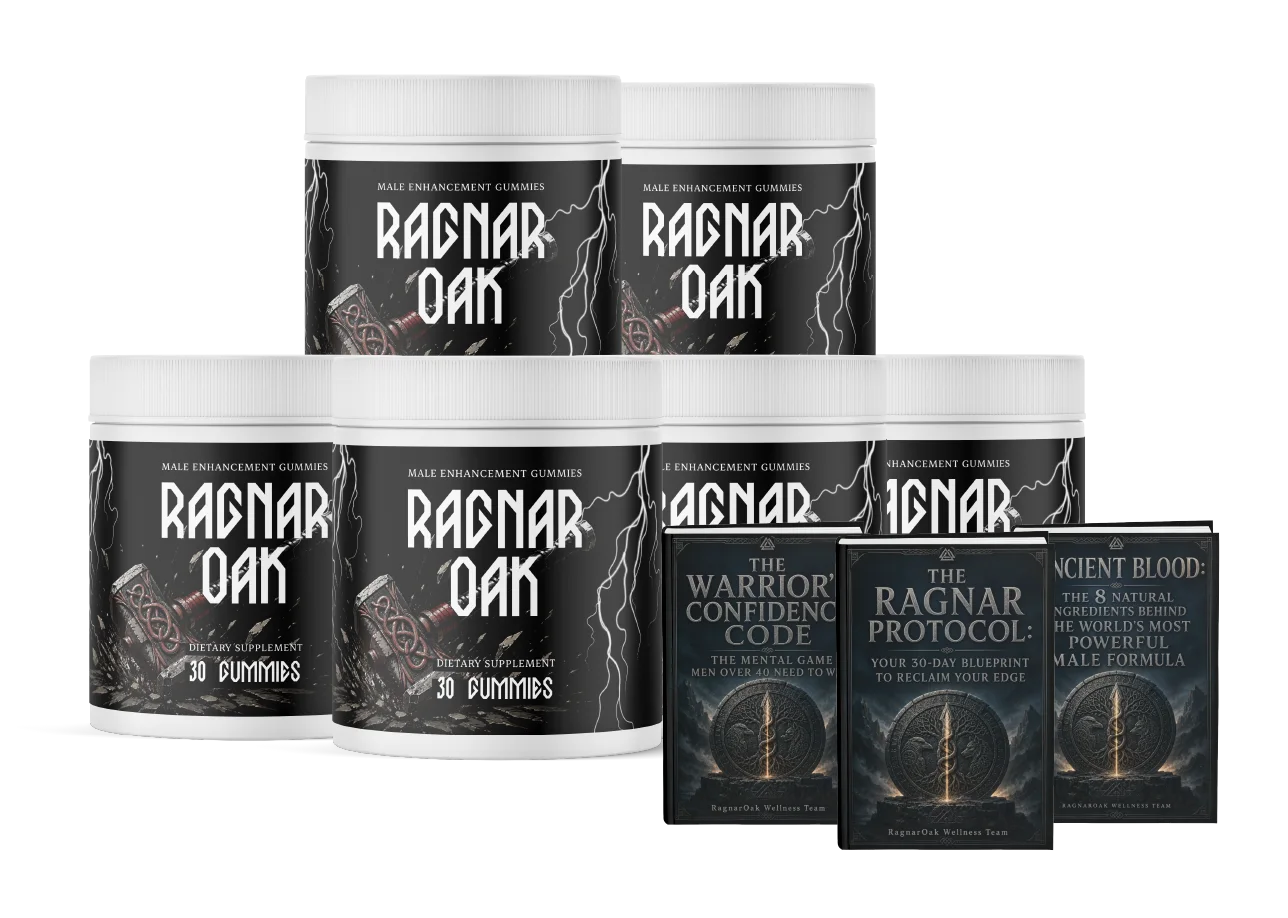
Ragnaroak combines maca and ashwagandha with muira puama, catuaba, horny goat weed, tribulus and L-arginine in one once-daily gummy — backed by a 60-day money-back guarantee. The six-jar pack keeps your routine running for a proper trial.
See Ragnaroak PackagesCan you take maca and ashwagandha together?
Yes — and combining them is one of the most common approaches precisely because their traditional strengths complement rather than duplicate each other. Maca brings the energy-and-endurance angle; ashwagandha brings the calm-and-resilience angle. Together they cover more of the everyday-vitality picture than either alone. This is why a thoughtfully built men’s blend such as Ragnaroak includes both, alongside other traditionally used botanicals, so you are not forced into an either/or decision.
The usual caution applies: if you take medication, have a medical condition, or are unsure how a combination fits your health, speak with a qualified health professional before starting. Traditional use is general information, not a personalized recommendation.
How to choose for your situation
Rather than crowning a universal winner, match the root to your goal. If you are mainly chasing steadier daily energy and stamina, maca is the natural starting point. If your fatigue is driven by stress and restless sleep, ashwagandha is the more targeted pick. If, like most men, your answer is “honestly, both,” a blend that includes the two — and the other traditionally used men’s botanicals — is the simplest route. When you compare products, apply the same filters from our buyer’s guide to choosing a male vitality supplement: a transparent label, sensible doses, GMP manufacturing and a real guarantee.
Common myths about maca and ashwagandha, cleared up
Because both roots are so popular, a lot of half-truths circulate about them. A few worth correcting:
- ✓ “Maca is like natural caffeine.” Not really. Maca is not a stimulant and does not deliver a caffeine-style hit; its reputation is built on steady, cumulative daily use rather than an immediate jolt.
- ✓ “Ashwagandha will just make me sleepy.” Its calming reputation is about stress balance and resilience, not sedation. Many men take it during the day precisely because feeling less frazzled can leave them with more usable energy, not less.
- ✓ “More is better.” With any botanical, doubling the serving does not double the benefit and can upset your stomach. Stick to the labeled amount and give it time.
- ✓ “You will feel it the first day.” Both are gradual. Judging either after 24 hours is the most common reason men wrongly conclude “it did nothing.”
Clearing away these myths is half the battle. When you approach either root with realistic expectations — a gentle, cumulative support rather than a switch you flip — you are far more likely to give it the consistent trial it actually needs to show what it can do.
A note on quality and dose
Every trial above used a standalone extract at a stated dose. A proprietary blend gives you neither, so treat a combined formula as broad daily support rather than as a delivery mechanism for trial-level doses. If the folk-reputation herbs interest you more, our horny goat weed vs tribulus comparison covers them, and our guide to taking male enhancement gummies every day answers the question of whether an unbroken daily habit is the right approach.
Two products can both say “maca” or “ashwagandha” on the front and deliver very different amounts inside. That is why, once you have decided which root (or both) you want, the next question is a quality question: is the amount per serving disclosed clearly, and is it made to a sensible standard? A transparent label lets you see exactly what you are getting rather than trusting a headline. This is the same discipline we apply to every ingredient, and it is worth carrying into any purchase you make in this category.
One gummy, seven botanicals, once a day
Maca, ashwagandha and five more traditionally used men’s botanicals in a single once-daily gummy, protected by a 60-day money-back guarantee.
Order Ragnaroak TodayFrequently asked questions
What is the difference between maca and ashwagandha for men?
Maca is a Peruvian root traditionally used to support everyday energy, endurance and drive, while ashwagandha is an adaptogenic root traditionally used to help the body handle stress and stay resilient. In simple terms, maca leans toward energy and vitality, and ashwagandha leans toward calm and stress balance.
Can you take maca and ashwagandha together?
Many men’s blends combine them precisely because their traditional strengths are complementary rather than overlapping. Taking them together is common, but if you take medication or have a health condition, check with a qualified health professional first so the combination fits your overall picture.
Which is better for energy, maca or ashwagandha?
Maca is the one more traditionally associated with everyday energy and stamina, whereas ashwagandha supports energy indirectly by helping the body manage stress and sleep. Men who feel drained by pressure may notice ashwagandha, while those seeking a general lift often reach for maca.
Which is better for stress, maca or ashwagandha?
Ashwagandha is the classic adaptogen for stress resilience, with a long traditional history and ongoing research interest in that role. Maca is not primarily a stress herb, so for stress specifically ashwagandha is the more targeted choice.
How long do maca and ashwagandha take to work?
Both are gradual botanicals rather than fast-acting stimulants, so give them consistent daily use over several weeks. Most men judge how they feel over 30 to 60 days while keeping sleep, movement and diet steady, rather than expecting a same-day effect.
References
Every source below was resolved against its own PubMed record on 3 September 2026 to confirm it is the paper this article credits it to. Research on an ingredient is not evidence about any finished product, and no clinical trial has been published on the Ragnaroak formula itself.
- ✓ Maca (L. meyenii) for improving sexual function: a systematic review — BMC Complement Altern Med, 2010. PubMed PMID 20691074.
- ✓ Effect of Lepidium meyenii (MACA) on sexual desire and its absent relationship with serum testosterone levels in adult healthy men — Andrologia, 2002. PubMed PMID 12472620.
- ✓ Subjective effects of Lepidium meyenii (Maca) extract on well-being and sexual performances in patients with mild erectile dysfunction: a randomised, double-blind clinical trial — Andrologia, 2009. PubMed PMID 19260845.
- ✓ Does Ashwagandha supplementation have a beneficial effect on the management of anxiety and stress? A systematic review and meta-analysis of randomized controlled trials — Phytother Res, 2022. PubMed PMID 36017529.
- ✓ A Randomized, Double-Blind, Placebo-Controlled, Crossover Study Examining the Hormonal and Vitality Effects of Ashwagandha (Withania somnifera) in Aging, Overweight Males — Am J Mens Health, 2019. PubMed PMID 30854916.
† These statements have not been evaluated by the Food and Drug Administration. This product is not intended to diagnose, treat, cure or prevent any disease. This article is for general information only, describes the traditional or general use of ingredients, and is not medical advice. Individual results vary. Always consult a qualified health professional before starting a new supplement.