Male Enhancement Gummies vs Testosterone Boosters: What’s the Difference?
| Male enhancement gummies | Botanical blends traditionally used for everyday energy, stamina and male vitality. |
| Testosterone boosters | Supplements marketed around ingredients associated with supporting the body’s own hormone balance. |
| The difference | Mostly one of marketing focus and framing — the ingredient lists often overlap. |
| Neither is | A drug, testosterone itself, or hormone replacement therapy. |
Two labels that confuse a lot of shoppers
Walk down the men’s supplement aisle — or scroll one — and you will see two big banners: “male enhancement” and “testosterone booster.” They sound like they must be doing very different jobs, and shoppers routinely assume one is stronger, more medical, or more “serious” than the other. In reality the line between them is blurrier than the marketing suggests, and understanding that is the key to not overpaying for a re-labeled version of what you already have. This guide breaks down what each category actually is, where they overlap, where they genuinely differ, and how to choose.
One anchor before we start: both are dietary supplements, not medicines. Neither is testosterone, neither is a drug, and neither replaces medical care for a genuine health concern — a distinction we cover in natural vs prescription male enhancement. Keep that framing in mind and the comparison gets much clearer.
What a male enhancement gummy is
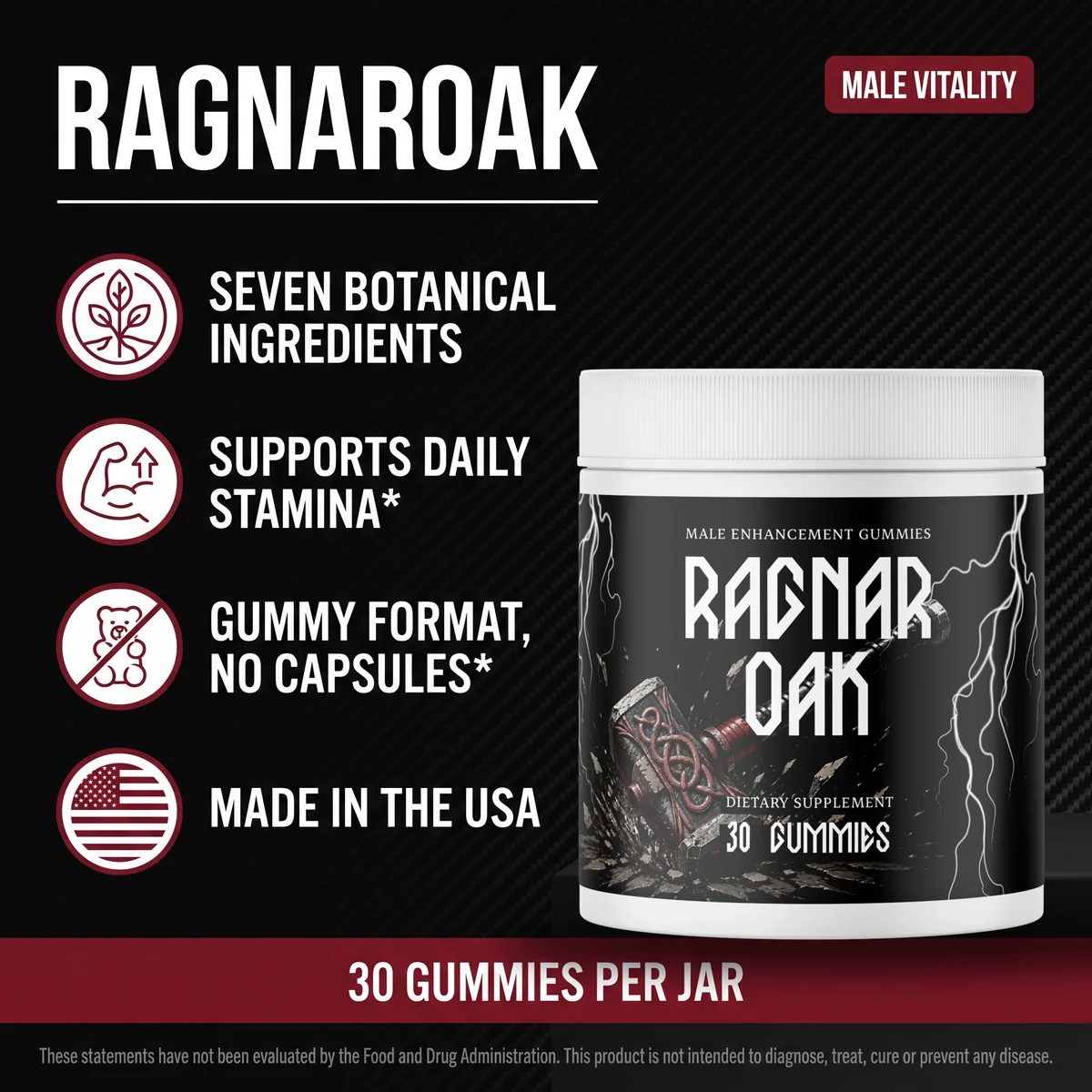
A male enhancement gummy — the category Ragnaroak sits in — is usually a blend of botanicals and sometimes amino acids that men have traditionally leaned on for everyday energy, stamina and vitality. Ragnaroak’s blend is seven ingredients: maca, ashwagandha, muira puama, catuaba, horny goat weed, tribulus and L-arginine. The framing here is broad, everyday vitality — feeling more energetic and steady day to day — delivered in a chewable, pleasant format designed to be easy to take consistently. If the gummy-versus-capsule question interests you, we cover that in gummies vs pills for male enhancement.
What a testosterone booster is
A testosterone booster is defined by its claim rather than its contents: it promises to move a hormone number. Two independent analyses have tested that promise against the literature. A J Sex Med paper titled “Testosterone Imposters” examined popular products sold online, and a World Journal of Men’s Health analysis concluded exactly what its title says. Neither found the marketing supported.
A “testosterone booster” is a supplement marketed specifically around the idea of supporting the body’s own hormone balance. Its ingredient list is often built from vitamins and minerals (such as zinc, magnesium or vitamin D) plus botanicals — and, tellingly, many of those botanicals are the exact same ones found in male vitality blends, tribulus and ashwagandha among them. The crucial thing to understand is what a testosterone booster is not: it is not testosterone, and it is not hormone replacement therapy. Those are medical interventions prescribed and supervised by a doctor. A booster supplement is a dietary product that describes traditional or general support, nothing more.

Where they overlap (more than you’d think)
The ingredient lists overlap heavily — ashwagandha, tribulus and maca appear on both sides of the shelf. What differs is the promise attached. A crossover trial of ashwagandha in the American Journal of Men’s Health reported hormonal and vitality outcomes in ageing overweight men, but at a standalone trial dose, and a J Diet Suppl systematic review found the tribulus evidence weak whichever label the jar carries.
Here is the part the marketing rarely spells out: the two categories share a lot of DNA. Ingredients like ashwagandha and tribulus appear in both a men’s vitality gummy and a typical “testosterone” formula. That is because the traditional-use stories behind these botanicals span both everyday vitality and men’s hormonal wellness — so the same root can be dressed up under either banner depending on how the brand wants to sell it. Practically, this means a “testosterone booster” and a “male enhancement” product can sometimes contain strikingly similar ingredient lists at very different prices and with very different promises on the front of the jar.
The takeaway is to shop the label, not the banner. Two products with the same headline word can be worlds apart, and two products with different headline words can be near-twins inside. This is exactly why we always steer readers to the ingredient panel, a habit our buyer’s guide to choosing a male vitality supplement is built around.
Where they genuinely differ
They are not identical, though — the differences are real, they are just more about emphasis than category:
- ✓ Framing & goal: vitality gummies emphasise broad everyday energy, stamina and drive; boosters emphasise supporting the body’s own hormone balance.
- ✓ Typical ingredients: boosters lean more on minerals like zinc and magnesium; vitality blends lean more on traditional men’s botanicals.
- ✓ Format: gummies prioritise a pleasant, easy-to-keep habit; boosters are more often capsules or tablets.
- ✓ Marketing tone: booster branding often leans clinical; vitality branding often leans lifestyle.
None of these makes one categorically “stronger.” They are simply tuned toward slightly different priorities, wrapped in different marketing.
A vitality blend built for everyday energy
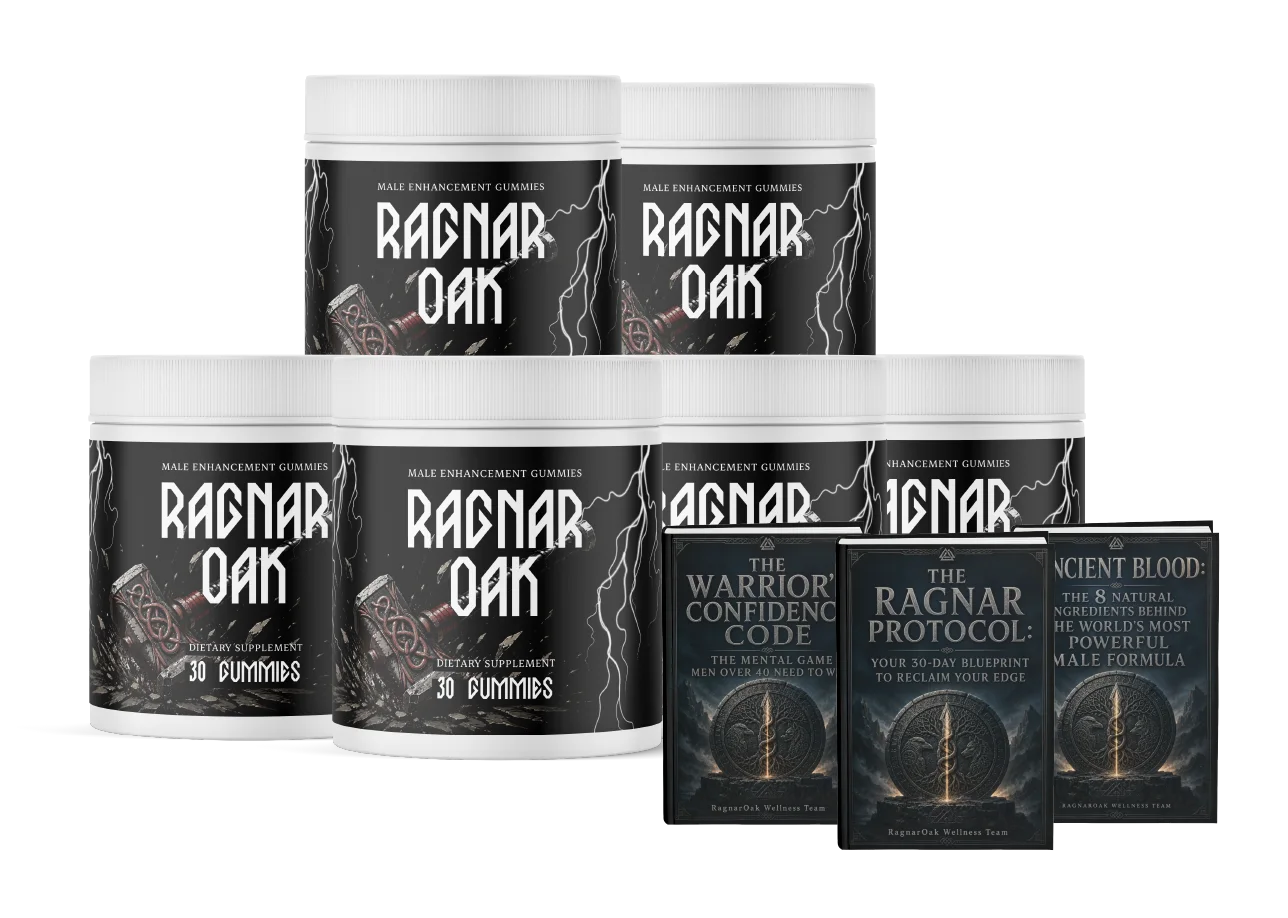
Ragnaroak keeps it simple: seven traditionally used men’s botanicals — including ashwagandha and tribulus — in one once-daily gummy, backed by a 60-day money-back guarantee. The six-jar pack keeps your routine running for a proper trial.
See Ragnaroak PackagesCan you take both together?
You can — but proceed thoughtfully. Because the two categories so often share ingredients, stacking a vitality gummy on top of a testosterone booster can quietly mean doubling up on the same botanicals or minerals. That is rarely necessary and occasionally counterproductive. The smarter move is to read both labels side by side, look for overlap, and decide whether you actually need two products or whether one well-built blend already covers your goals. If you take medication, have a health condition, or are unsure, check with a qualified health professional before combining supplements — general and traditional use is information, not a personalized plan.
How to choose between them
Choose by the question you are asking. If you want everyday energy and stamina support, a botanical vitality blend is an honest fit. If you suspect a genuine hormone problem, the answer is a blood test and a doctor, not a jar. Our horny goat weed vs tribulus comparison looks at the individual botanicals both categories share.
Skip the banner and start with your goal. If you want broad, everyday energy, stamina and vitality in an easy daily format, a botanical male vitality gummy is the natural fit — it is built around exactly those traditionally used ingredients. If you are specifically drawn to the minerals-and-hormone-balance angle, a well-formulated, transparent booster may appeal — just check whether its ingredient list justifies its price and its promises. And if you suspect a genuine medical hormone issue, that is not a supplement question at all: it is a doctor question, often involving a blood test, and no jar on a shelf can answer it.
Whichever way you lean, the deciding filters are the same ones we apply to everything in this category: a transparent label that discloses amounts, sensible doses, GMP manufacturing and a real money-back guarantee. And whatever you buy, remember it sits on top of the fundamentals — the habits covered in supporting male vitality and stamina naturally do more heavy lifting than any label word.
The bottom line
Male enhancement gummies versus testosterone boosters is, more often than not, a difference of marketing framing rather than a difference of kind. Both are supplements, not medicines; both frequently share ingredients; and neither is testosterone or hormone therapy. Choose by your actual goal and by the honesty of the label — not by which banner sounds more impressive — and you will avoid paying a premium for a re-branded version of what you already have.
One gummy, seven botanicals, once a day
Seven traditionally used men’s ingredients in a single once-daily gummy, protected by a 60-day money-back guarantee — everyday vitality without the guesswork.
Order Ragnaroak TodayFrequently asked questions
What is the difference between male enhancement gummies and testosterone boosters?
Male enhancement gummies are usually blends of botanicals traditionally used to support everyday energy, stamina and male vitality, while testosterone boosters are supplements marketed specifically around ingredients traditionally associated with supporting the body’s own hormone balance. The two categories overlap in ingredients but differ in their marketing focus.
Are testosterone boosters the same as testosterone?
No. A testosterone-booster supplement is not testosterone and is not hormone replacement therapy. It is a dietary supplement of vitamins, minerals or botanicals, whereas prescribed testosterone is a medical treatment supervised by a doctor. They are completely different things.
Can I take a male enhancement gummy and a testosterone booster together?
Because their ingredient lists often overlap, combining them can mean doubling up on the same botanicals or minerals, so read both labels carefully. If you take medication or have a health condition, check with a qualified health professional before stacking supplements.
Which is better for energy and stamina?
For everyday energy, stamina and vitality, a botanical men’s blend is the more direct fit, since it is built around ingredients traditionally used for exactly that. A testosterone-focused product leans more toward ingredients associated with supporting the body’s own hormone balance.
Do I need a blood test before choosing?
If your interest is driven by a suspected medical hormone issue, that is a conversation for a doctor and often a blood test, not a supplement label. For general everyday support, no test is required, but a doctor’s input is always sensible if you are unsure.
References
Every source below was resolved against its own PubMed record on 3 September 2026 to confirm it is the paper this article credits it to. Research on an ingredient is not evidence about any finished product, and no clinical trial has been published on the Ragnaroak formula itself.
- ✓ Testosterone Imposters: An Analysis of Popular Online Testosterone Boosting Supplements — J Sex Med, 2019. PubMed PMID 30770069.
- ✓ 'Testosterone Boosting' Supplements Composition and Claims Are not Supported by the Academic Literature — World J Mens Health, 2020. PubMed PMID 31385468.
- ✓ A Randomized, Double-Blind, Placebo-Controlled, Crossover Study Examining the Hormonal and Vitality Effects of Ashwagandha (Withania somnifera) in Aging, Overweight Males — Am J Mens Health, 2019. PubMed PMID 30854916.
- ✓ A systematic review on the herbal extract Tribulus terrestris and the roots of its putative aphrodisiac and performance enhancing effect — J Diet Suppl, 2014. PubMed PMID 24559105.
† These statements have not been evaluated by the Food and Drug Administration. This product is not intended to diagnose, treat, cure or prevent any disease. This article is for general information only, describes the traditional or general use of ingredients, and is not medical advice. Individual results vary. Always consult a qualified health professional before starting a new supplement.